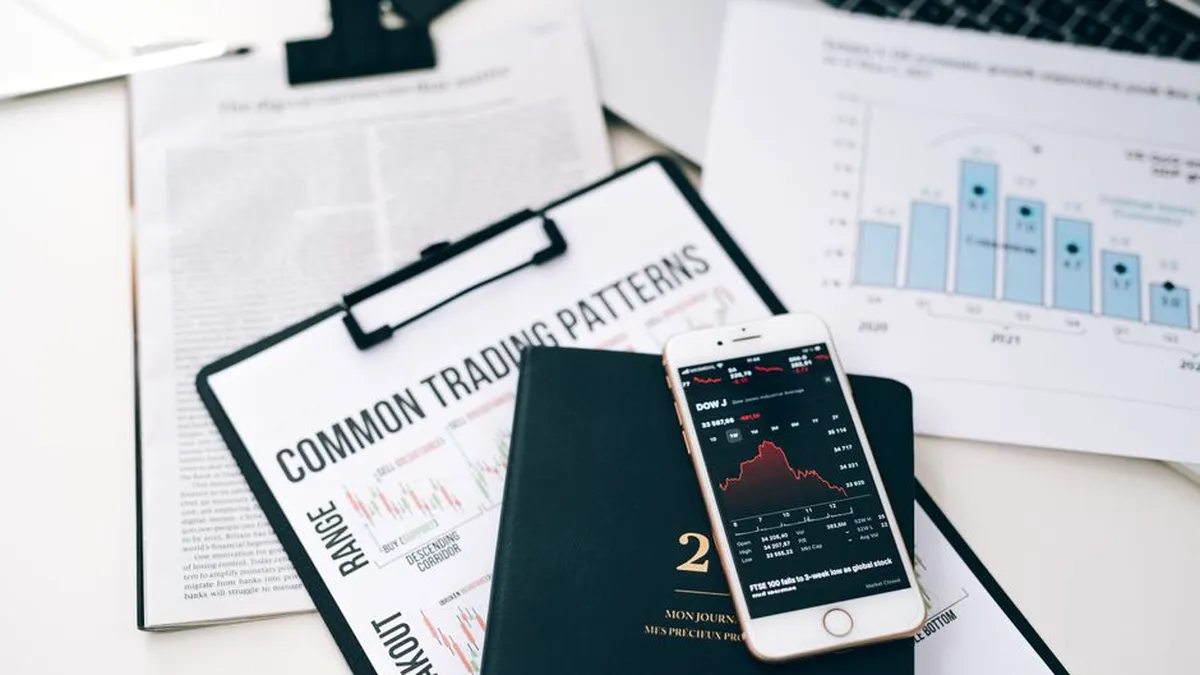

Regulators moved fast in April 2026. The DOJ charged 10 crypto executives in a $1 million pump-and-dump scheme on April 1, according to The Market Periodical. The CFTC announced five enforcement priority areas the same day, targeting insider trading on prediction markets, retail fraud via fake platforms, and AI-generated scam content. Then on April 6, New York Attorney General Letitia James issued a direct consumer warning: fraudulent copy trading schemes are spreading through Facebook, Instagram, WhatsApp, and Telegram, using AI deepfake videos of Cathie Wood, Joe Kernen, and Kevin O'Leary to recruit victims.
Quick verdict: AO Shadow is the strongest option for Bybit traders — WebSocket execution, free Sentinel tier, and no subscription fees on profits. Start your free trial →
Copy trading scam verification is the skill every retail trader needs right now. Fake exchange websites are up 45% in Q1 2026, per the CFTC. Many now use AI to clone legitimate platforms with near-perfect accuracy. These fake platforms show real-time simulated P&L that mirrors actual market movements. Victims think their money is being actively traded. It isn't.
Here's what verified track records actually look like, what red flags to watch for in performance claims, and how to audit a provider before you put in a single dollar.
What a
Verified Track Record Actually Looks Like
A legitimate copy trading provider's track record is specific, auditable, and imperfect. That last word matters more than most people realize. Real traders lose sometimes. A verified track record will show losing trades, losing months, and drawdown periods alongside the wins. If a platform shows nothing but green and claims consistent monthly returns with zero down periods, that's a fabricated ledger, not a trading history.
Real performance data includes timestamps on individual trades, entry and exit prices that match what the market was actually doing, and an overall drawdown figure. You can cross-check entry and exit prices against free tools like CoinGecko or TradingView to confirm the trades actually happened when the platform claims they did. If the timestamps don't line up with real price action, you have your answer.
Proof of Reserves is becoming the industry standard for legitimate operations. Reputable platforms publish on-chain wallet addresses, allowing independent verification that user funds actually exist and are held where the platform claims. If a copy trading service can't tell you where your money is held on-chain, that's a serious problem.
What does transparency look like in practice? AO Trading publishes a live results dashboard so traders can see every trade before they commit. Individual entries, exits, and dates. Not a marketing graphic. Actual trade data.
The CFTC and FINRA both state clearly that legitimate brokers never guarantee returns. "If an investment sounds too good to be true, it is probably a scam," said Attorney General Letitia James in her April 6, 2026 investor alert.
The Red
Flags Hidden in Performance Claims
Guaranteed returns are the clearest warning sign. No real market guarantees outcomes. That's not pessimism, it's math. But fraud in 2026 is often more subtle than an outright promise of "30% monthly." The red flags are now built into how platforms present their data.
Watch for round numbers. Scam platforms tend to show suspiciously clean figures: "87% win rate" or "$14,000 monthly profit." Real trading data is messy. Legitimate track records have odd percentages and irregular profit figures because real markets are irregular.
No drawdown information is another major tell. Real trading involves risk, and any honest provider will show you the worst period, not just the best. If a platform shows only profits and never mentions max drawdown, peak-to-trough equity loss, or any risk metrics at all, it's hiding something.
Fake endorsements are now a direct enforcement target. The NY AG's alert specifically called out deepfake videos of financial figures being used to recruit retail investors. If a platform's primary marketing is a celebrity endorsement video, verify that video exists on the celebrity's actual verified accounts before trusting anything else on the site.
A platform called TPBIT has been circulating in California's Central Valley, presenting itself as a copy trading opportunity with pyramid-style recruitment. The New Zealand Financial Markets Authority flagged TPBIT as an unregistered entity. Registration status matters: legitimate brokers file regulatory paperwork because they're legally required to. If a platform can't produce its registration details, ask why.
For a deeper look at what distinguishes legitimate signal services from fraudulent ones, Best Crypto Signal Services 2026: What the Data Shows vs What Google Ranks breaks down the verification criteria category by category.
How to
Verify a Broker Before You Deposit
The verification process takes about ten minutes. Most people skip it. Don't.
Copy trading scam verification follows the same core steps whether you're evaluating a crypto platform or a forex broker. Each step below can be done with a free account and a browser.
Step 1: Check FINRA BrokerCheck (brokercheck.finra.org). Enter the firm name. If it's not listed and the platform is offering securities or investment products, that's a significant red flag.
Step 2: Search the DFPI Crypto Scam Tracker (dfpi.ca.gov). California's Department of Financial Protection and Innovation maintains a running list of flagged entities, updated regularly as new scams are reported.
Step 3: Verify CFTC registration. Any firm offering commodity futures or options trading in the United States must be registered. The CFTC's registration database is searchable at CFTC.gov/LearnAndProtect.
Step 4: Test the withdrawal process before committing real money. Ask the platform directly what their withdrawal procedure is, how long it takes, and what documentation they require. Then read the fine print. The single most common scam tactic in 2026 is demanding additional "fees" or "taxes" before releasing funds that were never invested in anything real.
Step 5: Check the domain character by character. A 45% increase in cloned exchange websites means the URL you're looking at might be a near-perfect copy of a legitimate one, with one character swapped. Check the SSL certificate issuer as well. Cloned sites often use certificates from free providers that legitimate exchanges don't.
| Verification Check | Legitimate Platform | Scam Platform | | FINRA BrokerCheck | Listed and registered | Not found or unregistered | | Track record format | Individual trades with timestamps and drawdown | Summary graphics, round numbers only | | Withdrawal process | Clearly documented, no surprise fees | Requires extra "fees" or "taxes" to release funds | | Endorsements | Named staff with verifiable history | Anonymous operators or celebrity deepfakes | | Proof of Reserves | On-chain wallet addresses available | Not available, no explanation given |
| Regulatory registration | Disclosed proactively with registration number | Hidden, vague, or outright false |
|---|
For a detailed walkthrough of what real platform integration looks like, the Bybit API Setup Guide covers exactly what a legitimate brokerage connection requires.
How to
Tell If a Broker Is Scamming You
If you're already using a platform and something feels wrong, here are the patterns that confirm it.
You can't withdraw. This is the clearest tell. Real platforms process withdrawals. Scam platforms create reasons to delay: "your account needs additional verification," "you owe a tax fee on profits," "there's a minimum balance requirement we didn't mention before." The CFTC is explicit on this: legitimate investment firms never demand extra payments to release your own funds. If that request appears, the platform is a scam.
Your "profits" exist only on screen. Scam platforms show impressive numbers in your account dashboard, but those numbers aren't connected to real money. When you try to move funds out, suddenly there's a technical problem, a compliance hold, or a new fee.
Customer support can't answer direct questions. Real brokers have regulatory obligations and compliance teams. If support can't tell you clearly where your funds are held, what entity holds your money, and under what regulatory framework, that absence of information is itself an answer.
You were recruited through social media by someone you don't know personally. CryptoTimes reports that the CFTC's 2026 enforcement priorities specifically include retail fraud distributed through social media channels. CFTC Enforcement Director David I. Miller said at NYU School of Law on April 1 that insider trading and misappropriated information in prediction markets is "precisely the kind of serious violation that we are going after vigorously." The same enforcement focus applies to retail investment fraud.
If you're in New York and believe you've been targeted, the NY AG's consumer fraud hotline is 1-800-771-7755.
If you're holding funds on a platform that's triggering any of the above, stop depositing immediately. Document every communication, screenshot your account balance and transaction history, and report to the CFTC at CFTC.gov/complaint and the FTC at ReportFraud.ftc.gov.
For traders who want copy trading backed by a verifiable record rather than a marketing graphic, AO Shadow automates trade exits and position management with published trade data and no withdrawal fees, because that's how a real copy trading service operates.
FAQ
How do I verify if a copy trading platform is legitimate?
Check FINRA BrokerCheck and the DFPI Crypto Scam Tracker before depositing anything. Legitimate platforms show individual trades with timestamps, disclose drawdown data, and never demand extra fees to release withdrawals. Verify the exact domain URL, as 45% more fake exchange websites appeared in Q1 2026 compared to the year before.
What are the biggest red flags in a copy trading service?
Guaranteed returns, performance claims showing only profits with no drawdown periods, anonymous operators, AI deepfake celebrity endorsements, and any request for extra payments before you can withdraw your own funds. These are the patterns the CFTC, FBI, and FTC consistently identify as indicators of investment fraud.
What should
I do if I can't withdraw from a crypto platform?
Stop sending money immediately. Never pay any "fee" or "tax" that suddenly appears as a condition of withdrawal. Report the platform to the CFTC at CFTC.gov/complaint, the FTC at ReportFraud.ftc.gov, and your state attorney general. In New York, call 1-800-771-7755. Document and screenshot everything before doing anything else.
What to do if you receive a brushing package?
A brushing package is an unsolicited delivery you didn't order, typically cheap goods from overseas. It signals your personal details are circulating in unverified databases. Change passwords on all financial accounts linked to the affected email or address, enable two-factor authentication, and report it to the FTC at ReportFraud.ftc.gov. Be especially cautious about investment outreach arriving through channels connected to that address.
Are deepfake endorsements common in crypto investment scams?
Yes, and they're getting harder to spot. The April 6, 2026 NY Attorney General's investor alert specifically warned about deepfake videos of Cathie Wood, Joe Kernen, and Kevin O'Leary used in scam recruitment across Facebook, Instagram, WhatsApp, and Telegram. Always verify endorsements on the person's official verified accounts.