
Gold price fell 9% to $4,901 per ounce on March 16, 2026, after President Trump nominated inflation hawk Kevin Warsh to lead the Federal Reserve. The nomination shattered a precious metals rally that had pushed gold to an all-time high of $5,589 earlier this month. Silver got hit worse, collapsing 31.4%. Mining stocks cratered. Barrick Gold dropped 19%. Newmont tumbled 11.5%. The U.S. Dollar Index surged to a two-year high, and gold spot price sat at $5,025/oz as of 9:20 AM ET on March 16, according to Fortune.
I track and trade these setups through AO Shadow — signals auto-copied to Bybit via WebSocket in under 200ms. Free Sentinel tier, no credit card →
This wasn't a fundamental breakdown. It was a policy shock that hit an overcrowded trade.
Gold is still up 67.4% year-over-year, from $3,001 to $5,025. J.P. Morgan's 2026 target remains $6,300/oz. Deutsche Bank sits at $6,000. But the short-term damage is real, and the $5,000 level now decides what happens next.
Why Gold
Crashed Below $5,000 on March 16
The Warsh Shock refers to the March 16, 2026 gold price collapse triggered by Kevin Warsh's nomination as Federal Reserve Chair. Warsh is a known inflation hawk whose appointment signals higher-for-longer interest rates and a stronger dollar, both of which work directly against gold. Gold futures crashed 9% to $4,901/oz in a single session, while silver collapsed 31.4% to $80/oz, according to Financial Content Markets. The U.S. Dollar Index hit a two-year high.
What makes this crash unusual: it happened while geopolitical risk was rising, not falling. Iran's Strait of Hormuz disruption threats were still live. That kind of environment normally sends gold higher.
Brandon Sauerwein at GoldSilver put it bluntly: "Gold, the asset everyone holds precisely for moments like this... dropped more than a percent." That was his comment on the initial Iran-driven weakness. The Warsh nomination turned that weakness into a rout.
Barrick Gold stock plummeted 19%. Newmont Corp fell 11.5%. The selling was indiscriminate. Leveraged positions got flushed. When a 9% single-day move hits an asset class that typically moves 1-2% on big days, you're watching forced liquidation, not informed selling.
The Numbers
That Matter Right Now
| Metric | Value | Source | | Gold spot price (March 16 AM) | $5,025/oz | Fortune | | Gold futures low (Warsh Shock) | $4,901/oz | Financial Content Markets | | All-time high (early March) | $5,589/oz | Research data | | Year-over-year change | +67.4% | Fortune | | Month-over-month change | +2.64% (from $4,896) | Research data | | Silver price | $80/oz | Research data | | Silver crash (March 16) | -31.4% | Financial Content Markets | | Platinum | $2,096/oz | Research data | | Palladium | $1,586/oz | Research data | | J.P. Morgan 2026 target | $6,300/oz | Research data | | Deutsche Bank 2026 target | $6,000/oz | Research data |
| Consensus 2026 range | $5,000-$6,000/oz | Research data |
|---|
The year-over-year number tells you everything about the bigger picture. Gold ran from $3,001 to $5,025 in twelve months. Even after the worst single-day crash in this cycle, the metal is up 67.4% on the year. That's not a bear market. That's a bull market correction.
What the
Iran Escalation Means for Gold From Here
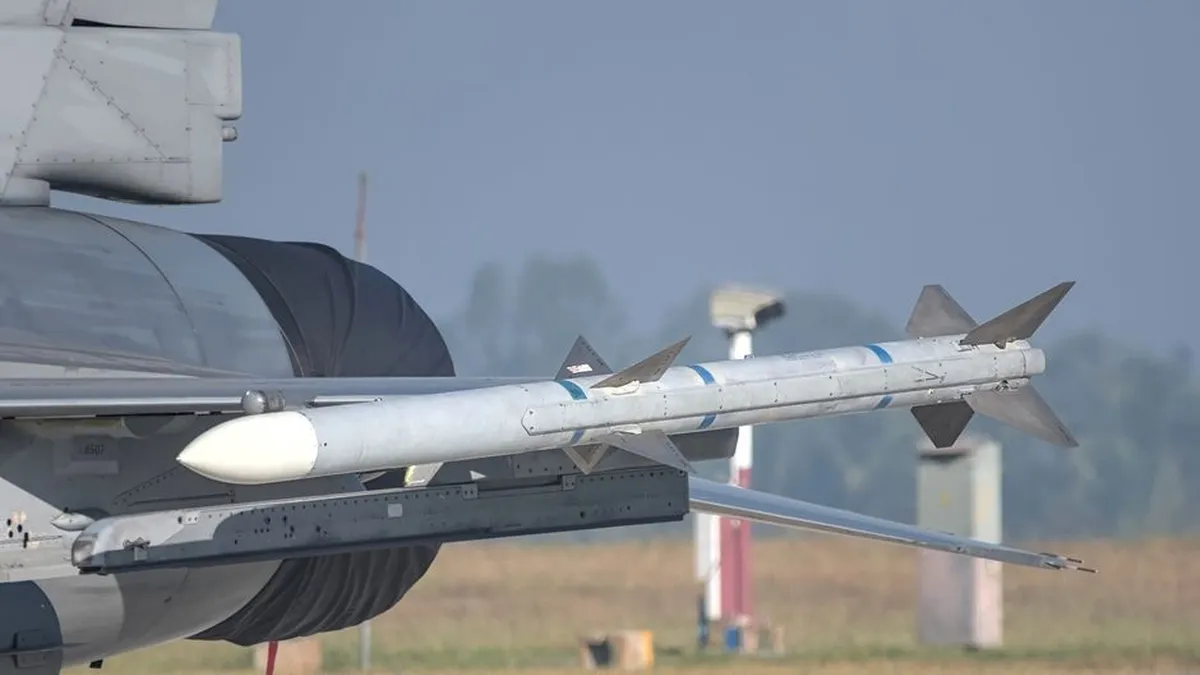
Gold spiked from $5,296 to $5,423 on February 28 following U.S. and Israeli strikes on Iran, per CNBC. Iran's threats to disrupt the Strait of Hormuz, which handles roughly 20% of global oil supply, should have been wildly bullish for gold. It wasn't enough.
The problem: dollar strength overwhelmed safe-haven flows. When the dollar rips higher on a hawkish Fed appointment, it doesn't matter how many missiles are flying. Gold is priced in dollars. A stronger dollar makes gold more expensive for every non-U.S. buyer on the planet. That mechanical pressure crushed the geopolitical bid.
Gold actually dropped 6%+ from its intraday high to $5,085 on March 3, according to GoldSilver. The Iran premium was already fading before Warsh hit the tape.
This creates a strange setup. If Strait of Hormuz disruption actually materializes, cutting a fifth of global oil supply, the inflationary shock could be so large that even a hawkish Fed can't contain it. Gold would rip. But if tensions cool and Warsh gets confirmed, the dollar strength trade has room to run and gold faces more downside pressure toward $4,800.
Two scenarios. Opposite directions. The market hasn't priced either one with conviction yet.
Where the
Real Support Sits
The consensus 2026 trading range for gold sits between $5,000 and $6,000 per ounce. The March 16 crash tested the bottom of that range for the first time. Gold futures hit $4,901, briefly breaking below the psychological $5,000 floor before spot price recovered to $5,025.
J.P. Morgan's $6,300 target and Deutsche Bank's $6,000 call both remain in place despite the crash. Neither bank has revised downward. That tells you something about how the institutional side views this selloff: as a dislocation, not a trend change.
The 31.4% silver collapse is actually the more telling signal. Silver's industrial demand component makes it more volatile than gold in liquidation events. When silver gets hit that hard while gold "only" drops 9%, it suggests the selling was mechanical, driven by margin calls and position unwinding rather than a fundamental reassessment of precious metals.
I've seen this pattern before. Violent one-day crashes in commodities that flush leveraged longs often mark the low, or close to it. Not always. But forced selling is different from conviction selling. Forced sellers don't care about price. They sell because they have to.
Traders watching gold charts should focus on three things: whether $5,000 holds as support on a weekly closing basis, the Warsh confirmation proceedings in the Senate, and any escalation at the Strait of Hormuz. Those are the catalysts. Everything else is noise.
For traders who track macro signals like these across asset classes, AO Trading monitors similar cross-market dislocations in real time.
What This
Means for Gold's 2026 Bull Case
Gold price rose +25% since the start of 2025, as Fortune notes, "fueled by ongoing inflation and economic uncertainty." The Warsh nomination challenges part of that thesis by introducing the possibility that the Fed gets more aggressive on rates.
But here's what hasn't changed: the structural reasons people own gold, including geopolitical instability, fiscal deficits, and demand from non-Western central banks, didn't disappear on March 16. A hawkish Fed chair makes the short-term trade harder. It doesn't invalidate a 67.4% annual gain built on forces larger than any single appointment.
The worst reading of this situation: Warsh gets confirmed quickly, the dollar rally extends, Iran backs down, and gold grinds toward the low end of the $5,000-$6,000 range for months. Boring but not catastrophic.
The best reading: the Warsh selloff is the flush that sets up the next leg higher. Similar to the Ethereum selloff we covered in our March analysis, extreme fear readings often mark turning points. Gold dropped 9% in a day while being up 67% on the year. That's a correction, not a crash.
I don't know which one plays out. Nobody does. But the risk-reward skew at $5,025 with a $6,000+ consensus target looks different than it did at $5,589.
This article is for informational purposes only and does not constitute financial advice. Gold and precious metals carry significant risk, including the possibility of substantial losses. Past performance does not guarantee future results. Always conduct your own research before making investment decisions.
FAQ
Why did gold crash today?
Gold price crashed 9% to $4,901/oz on March 16, 2026, after Kevin Warsh was nominated to lead the Federal Reserve. Warsh is an inflation hawk, and his appointment triggered a U.S. Dollar Index surge to a two-year high. A stronger dollar pressures gold prices directly. Silver fell 31.4% in the same session.
What brand of gold bar is best?
LBMA-accredited refiners produce the most universally trusted gold bars. PAMP Suisse, Valcambi, and Royal Canadian Mint are the three brands accepted without assay at virtually every dealer and institution worldwide. Stick with LBMA-accredited products for maximum liquidity and resale value regardless of where you buy.
Which country's gold is the best quality?
Gold purity is standardized globally at 99.99% (24 karat) for investment-grade bars, regardless of country of origin. A gold bar refined in Switzerland, Canada, or Australia contains identical purity when LBMA-accredited. Country of origin doesn't affect quality. What matters is the refiner's accreditation and the bar's serial number verification.
Is gold still a good investment after the crash?
Gold price is still up 67.4% year-over-year despite the March 16 crash. J.P. Morgan maintains a $6,300/oz 2026 target and Deutsche Bank targets $6,000/oz. The consensus trading range sits at $5,000-$6,000. However, a hawkish Fed appointment creates real short-term headwinds that didn't exist a week ago.
What is the gold price prediction for 2026?
The consensus 2026 gold trading range is $5,000 to $6,000 per ounce. J.P. Morgan's target is $6,300/oz and Deutsche Bank's is $6,000/oz. Gold hit an all-time high of $5,589 in early March before the Warsh Shock pulled it back to $5,025. Geopolitical risks and Fed policy will determine which end of the range holds.
Want to trade these moves automatically? AO Shadow copies live signals from professional traders directly to your Bybit account via WebSocket — entry, take-profit and stop-loss placed in under 200ms. The Sentinel tier is free forever, no credit card required. Start your free trial →