
Silver's price forecast for April 2026 comes down to one question: can the $67 to $71 support zone survive this week's Fed commentary and Non-Farm Payroll data? The metal closed March 31 at $66.90 per ounce, down 2.45% in a single session on dollar strength and rising Treasury yields. That puts silver 44% below its all-time high of $121.64, set January 29, 2026. The entire month of March was a bloodbath. Silver dropped 16.98% from open to close, with Indian markets tracking from ₹2,95,000/kg down to ₹2,44,900/kg.
I track and trade these setups through AO Shadow — signals auto-copied to Bybit via WebSocket in under 200ms. Free Sentinel tier, no credit card →
The sell-off has split institutional forecasts wide open. JP Morgan sees an $81 average for 2026. UBS expects a mid-year peak near $100 before settling at $85. Bank of America's Michael Widmer is the outlier, maintaining a $135 to $309 target range based on gold-to-silver ratio compression and structural supply constraints. That spread tells you everything about the uncertainty here. Position sizing matters more than direction calls right now.
But here's what the bears keep ignoring: silver is running its sixth consecutive year of global supply deficit. Mine output hasn't meaningfully grown in three years. And demand from solar panels, EVs, and AI infrastructure isn't optional spending that gets cut in a downturn. It's locked-in industrial consumption.
The $67 to $71
Zone Is the April Battleground
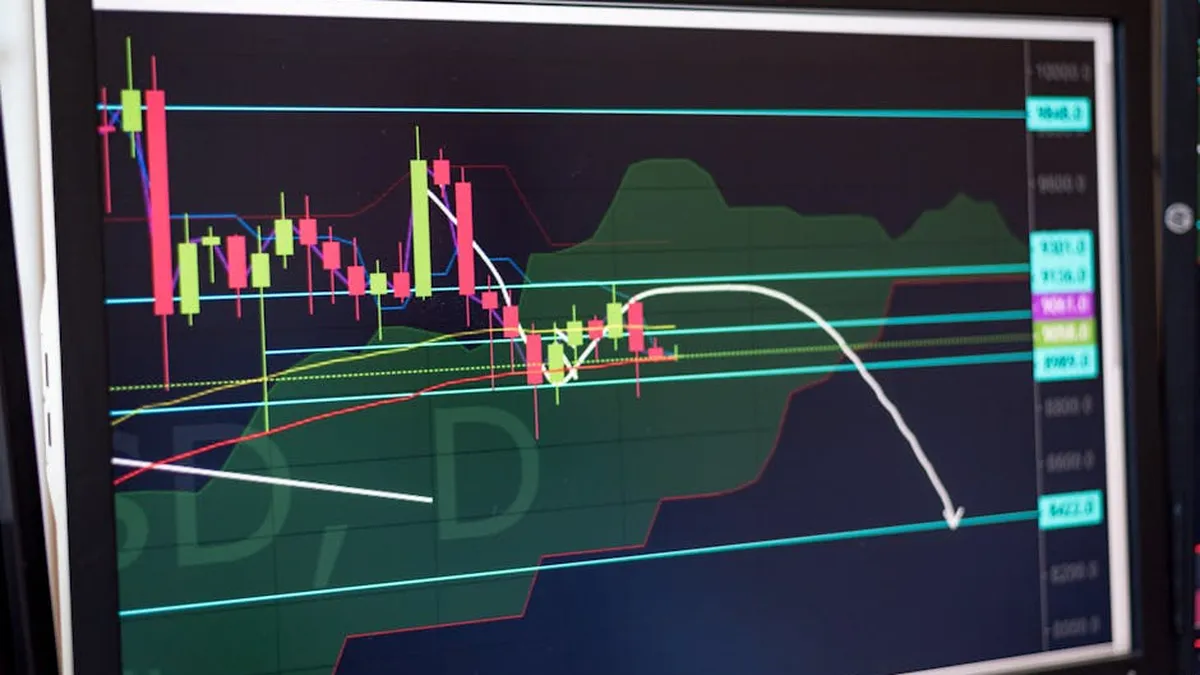
Silver's immediate price forecast hinges on the $67 to $71 support zone that Arslan Butt, Lead Commodities and Indices Analyst at FX Leaders, identified on 4-hour charts. A sustained break below $67 opens downside toward $60, which would represent a full 50% retracement from the January all-time high. Holding above $67 sets up a recovery toward the $71.80 resistance level that Butt flagged as the first meaningful ceiling on any relief rally.
"The $67-$71 support zone is critical," Butt wrote for FX Leaders. "A sustained break below opens the door to a retest of $60, while holding here sets up a recovery toward $71.80 resistance."
Two catalysts will likely determine which way this breaks. Fed Chair Powell speaks this week, and the market is listening for any shift in the hawkish tone that's been crushing non-yielding assets since Q1. Then NFP data drops. Strong jobs numbers strengthen the dollar and push silver lower. Weak numbers give the metal room to breathe.
Short-term momentum is bearish. No way around that. The 2025 rally of 147% created a massive amount of overhead supply from traders who bought higher and are looking to exit on any bounce. Every rally attempt will run into selling pressure until that overhead gets worked through. Traders managing positions through this kind of volatility need disciplined exit strategies. Here's a practical framework for managing trades after entry that applies across asset classes.
Why Analyst
Forecasts Range From $81 to $309
The gap between JP Morgan's $81 average and Bank of America's $309 ceiling isn't analyst incompetence. It reflects genuine disagreement about whether silver's industrial demand story can overpower a strong-dollar environment.
JP Morgan's conservative call prices in continued Fed hawkishness and assumes the dollar stays firm through mid-2026. At $81, silver basically treads water near current levels with a modest recovery. Fortune's latest silver coverage aligns with this view, framing the metal as range-bound until rate expectations shift.
UBS sits in the middle. Their forecast calls for a peak near $100 per ounce around mid-year before fading to $85 by December. That implies a 49% rally from current levels to the peak, then a 15% pullback. Not unreasonable if the Fed softens its stance by summer.
Bank of America's Widmer is the real bull case. His $135 to $309 range rests on two pillars: the gold-to-silver ratio compressing from historically elevated levels, and supply constraints that he argues the market hasn't properly priced. Finance Magnates compiled the full spread of analyst targets, and the consensus leans bullish on a 12-month horizon even as short-term sentiment stays negative.
| Firm | 2026 Silver Forecast | Basis | | JP Morgan | $81/oz average | Dollar strength, cautious demand outlook | | UBS | Peak $100, settle $85 | Mid-year Fed pivot, seasonal demand | | Bank of America | $135 to $309 range | Gold ratio compression, supply deficit |
| GoldSilver.com | Above $100 | Sixth consecutive supply deficit, industrial demand |
|---|
I've been trading commodities long enough to know that the widest forecast spreads usually precede the biggest moves. When institutions can't agree, it means the market is genuinely repricing risk. That's opportunity if you're sized correctly.
The Supply
Deficit That Won't Close
Silver's price forecast for 2026 and beyond can't be separated from one stubborn fact: the world has consumed more silver than it's produced for six straight years. Mine supply hasn't grown. And the demand side keeps adding new structural buyers.
Solar panel manufacturing alone has become a monster source of silver demand. Every photovoltaic cell needs silver paste for conductivity, and global solar installations aren't slowing down regardless of interest rate cycles. EV battery technology adds another layer. AI data center buildouts, which require massive amounts of silver in electrical connections and thermal management, represent the newest demand category.
"Silver could see a recovery toward $95-$106 by year-end 2026, supported by a sixth consecutive global supply deficit and relentless industrial demand from solar, EVs, and AI," according to analyst forecasts compiled by Fortune and Capital.com.
This isn't speculative demand. Solar companies don't stop buying silver because the Fed raised rates. Auto manufacturers don't cancel EV production lines because Treasury yields moved 20 basis points. Industrial consumption is sticky in a way that investment demand isn't.
The bear case requires believing that dollar strength will persist long enough to offset six years of accumulated supply shortfalls. That's possible. The 2011 silver correction saw the metal drop 70% from its $49 peak and spend years in the wilderness. But in 2011, silver didn't have three structural industrial demand drivers growing simultaneously.
Indian
Silver Market Adds Currency Risk
Indian silver prices tell a more dramatic story than the international market. Silver on the MCX opened March at ₹2,95,000 per kilogram, peaked at ₹3,15,000/kg, and cratered to ₹2,44,900/kg by month-end. MCX May futures traded even lower at ₹2,24,500/kg, according to Sunday Guardian Live's March 31 report.
Indian traders face a double hit. The rupee's weakness against the dollar amplifies silver's international losses. When silver drops 2.45% in dollar terms, Indian holders can lose 3% or more depending on currency moves that day. The reverse is also true on rallies, which is why Indian silver prices surged harder than international prices during the 2025 bull run.
Physical demand in India remains a wild card for April. Wedding season typically drives gold and silver buying, but the sharp price declines have created a wait-and-see mentality among retail buyers. If prices stabilize near $67 to $71, bargain hunting from Indian physical buyers could provide a floor that futures markets alone won't.
April 2026
Trading Levels to Watch
Here's where I think silver trades in April, based on the technical levels and macro calendar.
A dovish surprise from Powell or weak NFP data sends silver back toward $71.80 resistance fast. That's the first test. Breaking above $71.80 opens the path toward $80, where sellers from the March decline will cluster. Reaching $80 in April would require a meaningful shift in Fed expectations.
A hawkish Powell and strong jobs data push silver below $67 support. The next meaningful level is $60, a round number that also represents a clean 50% retracement from the $121.64 high. I don't think we get there in April unless something breaks in credit markets or the dollar index spikes above recent highs.
The most likely April scenario sits somewhere in the middle. Silver chops between $65 and $75, frustrating both bulls and bears, while the market digests the March sell-off and waits for clearer Fed direction. That kind of range-bound action is typical after a 44% correction from all-time highs.
For traders navigating these swings, silver's correlation breakdown with gold deserves attention. The gold-to-silver ratio has blown out during this correction, meaning silver has underperformed gold significantly. Historically, extreme readings on that ratio precede silver outperformance. The ratio compressed during 2025's rally and is now widening again, which longer-term bulls see as a coiled spring.
Commodities corrections of this magnitude test conviction. The 147% rally through 2025 attracted a lot of late money that's now underwater and looking for exits. That selling pressure needs to exhaust before any sustained recovery takes hold. April is likely a month of base-building, not breakout.
FAQ
What is the silver price forecast for April 2026?
Silver's April 2026 forecast centers on the $67 to $71 support zone. Holding above $67 targets a recovery toward $71.80 resistance. A break below $67 opens downside to $60. Fed commentary and NFP data this week will likely determine the direction. Most analysts expect range-bound trading between $65 and $75.
Why did silver crash 44% from its all-time high?
Silver fell from its $121.64 all-time high (January 29, 2026) to $66.90 on March 31 due to US dollar strength, rising Treasury yields, and the Federal Reserve's hawkish stance. Profit-taking after a 147% rally in 2025 accelerated the sell-off. Softer industrial demand expectations added pressure.
Will silver prices recover in 2026?
Analyst forecasts range widely. JP Morgan targets an $81 average, UBS sees a peak near $100 before settling at $85, and Bank of America projects $135 to $309. The sixth consecutive global supply deficit and growing demand from solar, EVs, and AI infrastructure support recovery, but dollar strength remains the primary headwind.
What is driving silver demand in 2026?
Silver demand in 2026 comes from three structural industrial sources: solar panel manufacturing, electric vehicle battery technology, and AI data center infrastructure. These sectors require physical silver for electrical conductivity and aren't sensitive to interest rate cycles. The global supply deficit has persisted for six consecutive years as demand outpaces mine production.
Is silver a good investment at $66.90?
At $66.90, silver sits 44% below its all-time high with a wide range of institutional price targets above current levels. The supply deficit and industrial demand provide a structural floor. But short-term momentum is bearish and volatility remains elevated. Risk management and position sizing matter more than entry price at this level.
Silver's correction has been painful, but corrections this size aren't unusual for the metal. Traders who want exposure to commodities without watching every tick can automate their exit strategy. AO Trading's Shadow platform handles position management with trailing stops and take-profit targets, so you don't have to stare at charts while silver decides whether $67 holds or breaks.