
XRP is at $1.26 on June 2, 2026. Down 3.08% on the day. It's trading below all three key daily moving averages. The market cap is $78.2 billion, with $1.99 billion in 24-hour volume. And the regulatory setup is the cleanest it's ever been: joint SEC-CFTC commodity classification on March 17, 2026, six spot ETFs live with $1.18 billion in cumulative inflows, and the Digital Asset Market Clarity Act lined up for a July 4 signing. XRP isn't a litigation-shadowed digital asset anymore.
Getting here took four years of court fights. The SEC sued Ripple Labs in December 2020 over whether XRP sales were unregistered securities, and major U.S. exchanges delisted the token. The March 2026 commodity classification closed that chapter. So why is the chart this weak?
That gap, between the structural story and the price action, is where traders get hurt. The obvious play is to buy the regulatory clarity, ride the ETF momentum, and target the $1.50 analyst consensus. It has a flaw. Several, really. So before you size up on a narrative that every retail trader in your Telegram has already read, it's worth working out what would make this trade wrong.
The Technical Picture Isn't the Narrative
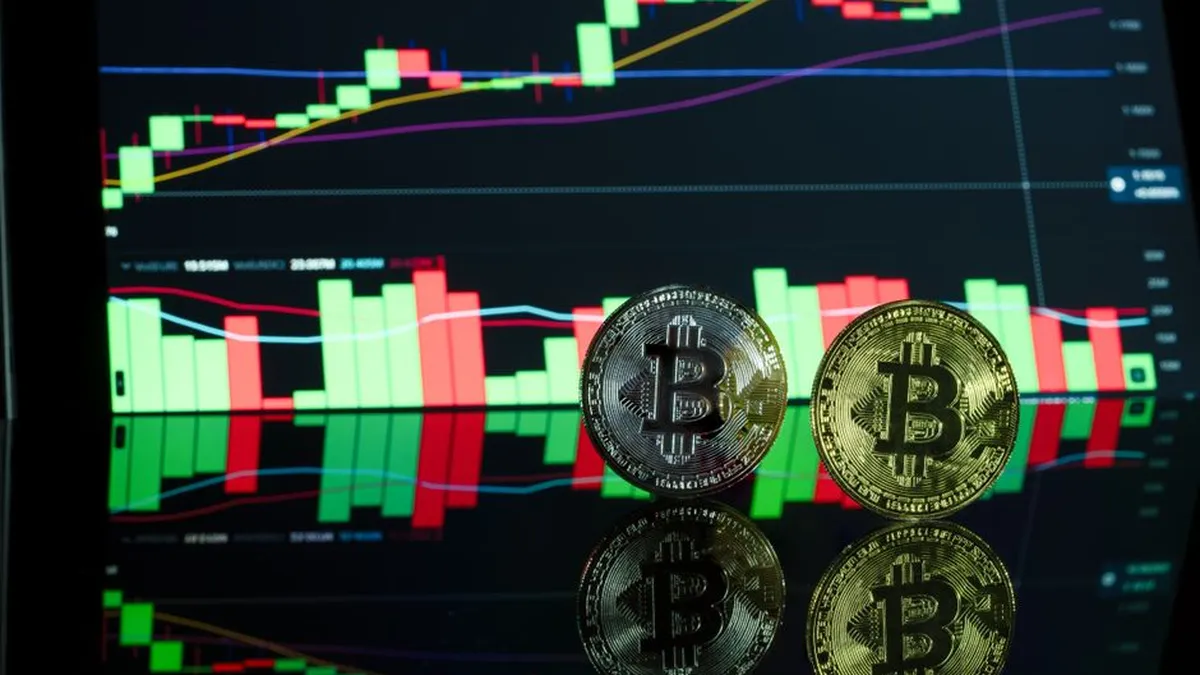
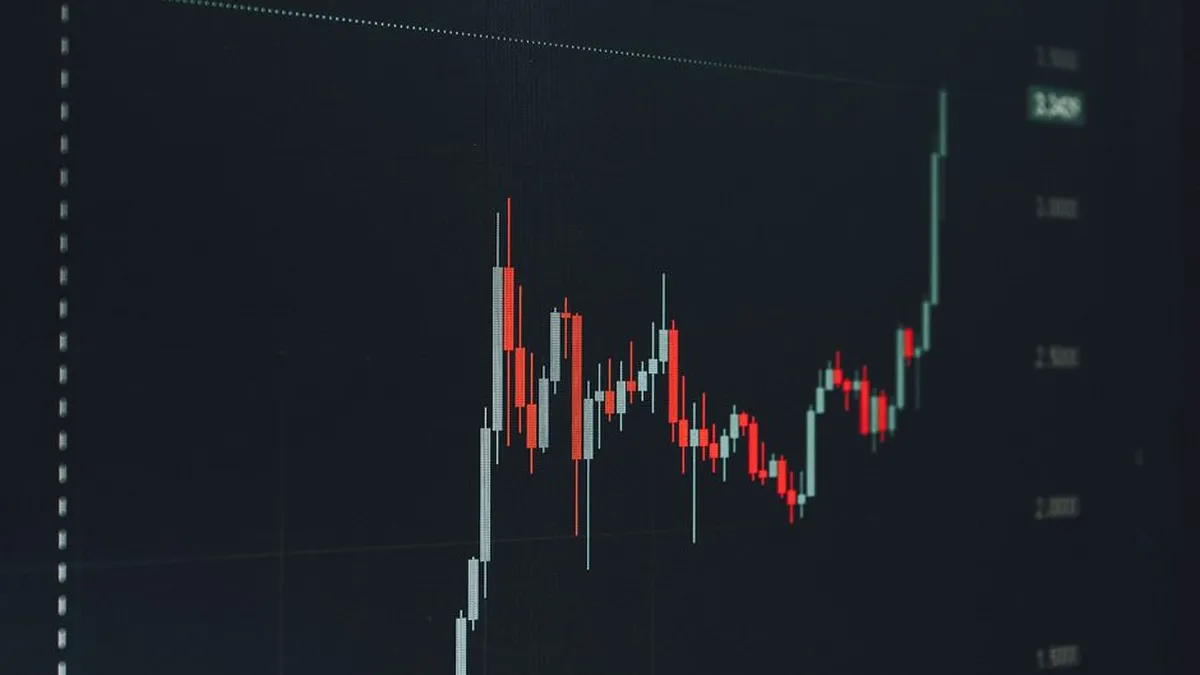
XRP printed $1.3038 on June 1, then dropped to $1.26 on June 2. That's a rejection at clear resistance followed by a 3.08% fall. Some call it a wick. Others call it a liquidity grab. Either way, buyers didn't hold the level.
Price is pinned below all three key daily moving averages now. Volume at $1.99 billion isn't a capitulation number, but it's not the kind that clears resistance zones either. XRP is coiling. Which direction it resolves is the open question.
If you're managing live Bybit positions through a setup like this, where a token has a real structural story but keeps rejecting resistance, conviction isn't enough. You need hard exit levels. AO Shadow handles that for you: TP, SL, and DCA managed on Bybit positions, no manual babysitting. Across 2,515 tracked trades, AO members run a 65.53% group win rate. That's not about always calling direction right. It's about staying disciplined on exits when price won't move the way the thesis says it should. For a side-by-side on fees and signal quality against other copy-trading platforms, AO Shadow vs eToro 2026 runs the full numbers.
The Escrow Release: Known Supply, Unknown Absorption
Ripple releases up to 1 billion XRP from escrow each month, then re-locks whatever it doesn't use. This cycle has run since 2017. CoinPaper documents the June 2026 release. The headline number sounds huge, but Ripple's actual distribution decisions usually put far less than 1 billion XRP onto the open market.
The market has priced this mechanism in for years. It's not a shock. It's a lever bears reach for when price is already weak. And right now price is already weak. The real question the June release poses isn't "will this crash the market?" It's "is there enough demand at $1.26 to soak up routine supply?" June 2 data doesn't answer that convincingly.
The CLARITY Act: 62% Is Not 100%
Polymarket prices Digital Asset Market Clarity Act passage in 2026 at roughly 62%. The White House is targeting July 4. Investing.com's analysis puts it plainly: XRP valuation depends on CLARITY Act timing and ETF inflows. Those are the two variables that matter. Not the narrative. Not the YouTube targets.
A 62% probability means a 38% chance it doesn't pass this year. Congressional timelines slip all the time. If the bill stalls into Q3 or Q4, the "imminent regulatory finalization" bid that's been propping up XRP comes off the table. Price doesn't need to crash. It just needs to stay flat while bitcoin and ethereum run somewhere else.
Phemex's June 2026 analysis names the stall scenario outright: "ETF inflows stalling, regulatory noise, or Ripple's escrow releases could cap the move and keep XRP consolidating in the $1.80 to $2.25 range, still representing 30% to 65% upside." That range still implies meaningful gains from here. Just not the $4 to $7 end-of-month figures that AI-generated price targets push around retail channels.
The ETF Story: Six Funds Live, But Watch the Flow Rate
Six XRP spot ETFs are active. Franklin Templeton's XRPZ sits at a 0.19% expense ratio. Rex-Osprey's XRPR charges 0.75%. Cumulative inflows crossed $1.18 billion by the end of 2025. The asset class has real institutional plumbing now, and the 2024 Bitcoin ETF launch is the obvious comparison, since it came right before a big BTC move.
Here's the distinction, though. The launch event drove bitcoin's initial move. The ongoing inflow rate drives ongoing support. If XRP ETF inflows are slowing while price stays pinned below the daily moving averages, what you've got is a structural event that already happened, not a mechanism still pulling in fresh demand.
247 Wall St. flagged a specific wrinkle: the SEC's 85% rule could slow additional XRP ETF approvals. Not a deal-killer. But it's friction the pure-bull case doesn't price in.
| Metric | Value |
|---|---|
| XRP price (June 2, 2026) | $1.26 |
| 24-hour change | -3.08% |
| Market cap | $78.2 billion |
| 24-hour volume | $1.99 billion |
| ETF cumulative inflows (end 2025) | $1.18 billion |
| Lowest ETF expense ratio | 0.19% (Franklin Templeton XRPZ) |
| CLARITY Act passage probability | ~62% (Polymarket) |
| Near-term analyst target range | $1.36 to $1.50 |
| Year-end bull case | $3.50 to $5.00 |
| Monthly escrow release ceiling | 1 billion XRP |
Levels That Decide the Trade
$1.20 to $1.15 is the support zone. Prior consolidation built a base there. A daily close below $1.20 on volume turns this from coiling into breaking down. That's the point where the consolidation-before-breakout thesis is wrong.
To the upside, $1.30 is immediate resistance. XRP needs daily closes above $1.30 and back through the key moving averages before the $1.36 to $1.50 analyst targets get credible. If CLARITY Act headlines run hot in late June, expect a fast move at that resistance. Stops are stacked there, and a clean break would accelerate quickly.
Watch two data flows. First, CLARITY Act Senate floor scheduling: any confirmation of pre-July 4 vote timing is bullish, and a delay past the August recess is bearish. Second, weekly ETF inflow data across the six active funds. Two straight weeks of net-negative XRP ETF flows while price holds below $1.30 would be the clearest sign that the institutional bid isn't what the bull thesis needs.
The scenario that breaks the bull case outright: CLARITY Act delay past August, ETF weekly inflows falling month-over-month, and a broad rotation out of alts. None of those have happened. They're risks, not outcomes.
And risks without managed exits turn into losses. The AO Trading crypto scanner has 937 closed scanner trades at a 76.1% TP1 hit rate and 56.6% TP2 hit rate across similar altcoin setups, exactly because the exits are managed, not hoped for. See every trade at the live dashboard.
What has happened is permanent. The commodity classification is locked. Phemex's SEC ruling analysis confirms it: "The SEC and CFTC jointly classified XRP as a digital commodity on March 17, 2026, ending 4+ years of legal uncertainty." XRP isn't going back to litigation limbo. That's the floor under the thesis. Betting on XRP's structural story is rational. Sizing it without defined exits isn't.
So here's where it lands. XRP's regulatory clarity is real, the ETF infrastructure is built, and the CLARITY Act is one Congressional vote away from locking in CFTC jurisdiction for good. What's unclear is whether June is the month all of that reprices. If you're running XRP positions on Bybit and want automated exits instead of staring at the chart all day, the AO Shadow 7-day trial handles TP, SL, and DCA for you. The structural bet is yours to make. The stops shouldn't be optional.
FAQ
Will XRP hit $100?
XRP at $100 implies a market cap in the multi-trillions, bigger than several major global equity markets combined. No serious 2026 analyst model carries that target. Year-end bull cases cluster at $3.50 to $5.00, and those depend on CLARITY Act passage and sustained ETF inflows. The $100 figure lives in viral social posts, not research-backed price modeling.
Can XRP reach $10?
A $10 XRP price implies a market cap around $600 billion, roughly the size of the entire gold ETF market. Over a multi-year cycle? Possible. As a June 2026 call? No. Near-term analyst targets sit at $1.36 to $1.50, and year-end bull cases reach $3.50 to $5.00. Ten dollars needs a sustained bull run well past what current conditions support.
Does XRP have a future?
XRP is a regulated digital commodity under joint SEC-CFTC classification from March 17, 2026. Six spot ETFs are live with $1.18 billion in cumulative inflows. The XRP Ledger is a blockchain built for cheap global payments. The legal overhang that suppressed the token for four years is gone. The 2026 question is about price levels and timing, not survival.
Is XRP a good investment now?
XRP's structural backdrop is the strongest in its history: commodity classification locked, six ETFs live, CLARITY Act at 62% probability for a July 4 signing. But price sits below the key daily moving averages after rejecting $1.30 on June 1. The disciplined setup is tight stops below $1.20, defined targets at $1.36 to $1.50, and close watch on CLARITY Act timelines and ETF flow data.