
iran shot down helicopter is the headline traders wanted. The first trade is not always the right one.
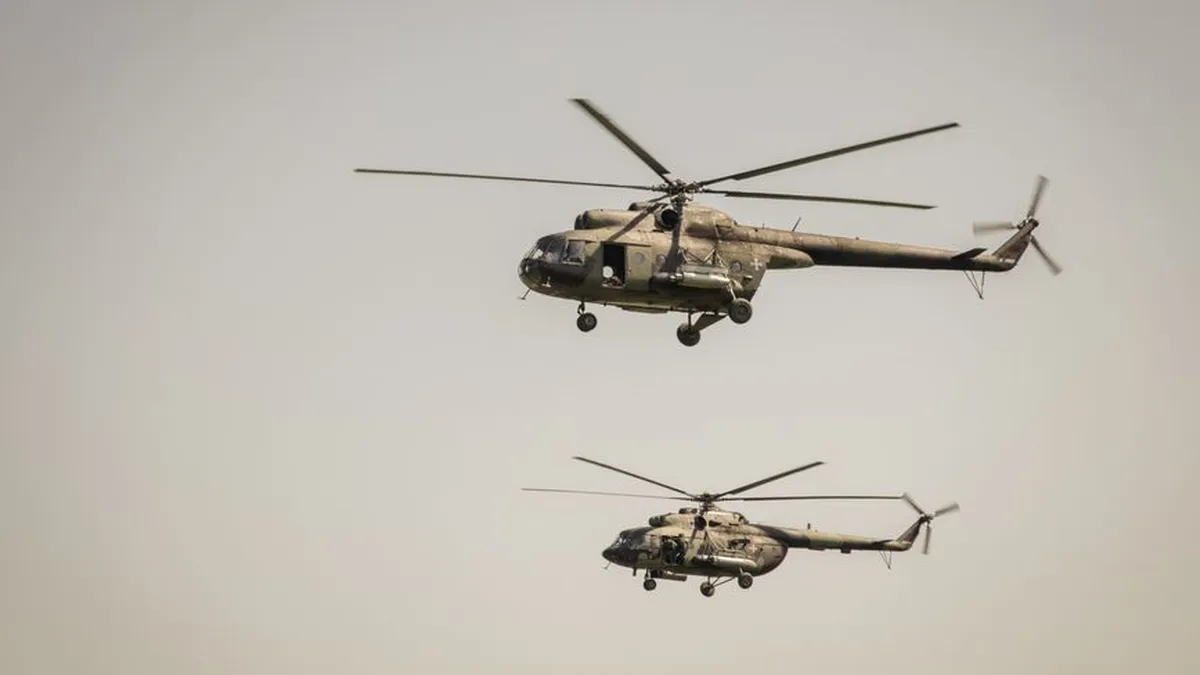
Multiple outlets reported that a U.S. Army AH-64 Apache went down near the Strait of Hormuz, the crew was rescued, and President Donald Trump blamed Iran and said the U.S. "must, of necessity, respond to this attack" AP News. Reuters said oil climbed about 1% after new U.S. strikes on Iran and a fresh supply scare Reuters. That is the point. Oil is the first check on whether this is a real risk premium. Gold is the hedge that should hold if fear stays alive. DXY is the cleaner read on whether the market is buying a lasting safety bid or just the first headline spike.
If you want to trade the FX leg instead of chasing the noise, AO Forex is the direct route, and AO Copy Trading lets you mirror the book rather than guess the turn. If you want to see how the desk handles open, live positions before you touch anything, AO Trading Live Results shows every trade in public.
What happened
AP reported that a drone boat rescued two Army aviators after the Apache went down near the waterway, and CBS News said the two crew members were rescued by a sea drone in the first operation of its kind for the U.S. military AP News; CBS News. CBS also reported that CENTCOM said the helicopter had been hit while on patrol and that "the cause of the incident is under investigation" CBS News.
The market cares about the location more than the aircraft. The Strait of Hormuz is where a shipping problem turns into a macro problem. If traders start to believe traffic can be interrupted, the move hits energy first, then freight, then inflation expectations, then the rest of risk. That is why iran shot down helicopter is being treated like a market event, not just a military headline.
Why iran shot down helicopter can still fade
The first read is obvious. Oil bids. Gold holds. Risk assets wobble. The dollar gets stronger. That is the standard reaction when the market hears strait, strikes, and retaliation in the same sentence.
But the first move can be crowded. Reuters said oil was up about 1% on the news, and the same report showed how fast the market can lean on a headline and then back off if the damage is contained Reuters. AP and CBS both said the crew survived, and CBS noted that the cause is still under investigation. That matters. A contained incident is not the same as a shipping disruption.
This is the usual trap in a fast geopolitical spike. The market prices fear first, then asks for proof. If there is no follow-through on Hormuz traffic, no broader retaliation, and no sign that insurance, freight, or tanker routing is changing, the premium can drain quickly. That is the part people miss when they see iran shot down helicopter and assume every related asset has to move in one direction.
| Market | If the bid sticks | If it fades |
|---|---|---|
| Oil | The story shifts from one incident to a real supply threat | The move is treated as a headline surge with no lasting shipping stress |
| Gold | Safe-haven demand stays open | The hedge is unwound once the event looks contained |
| DXY | The dollar gets a genuine risk bid | The dollar move looks like position squaring rather than a regime change |
What would prove the risk premium is real
You do not need a full-blown escalation to keep the premium alive. You just need signs that the market is paying for the risk twice, once in price and again in logistics.
Watch the same simple test across the board. If oil keeps holding after the first burst of headlines, the market is saying the supply story is bigger than the incident. If gold can hold its gap, the hedge is still needed. If DXY confirms instead of fading, then the market is not just reacting to one post from Trump, it is pricing a wider stress event.
That is the cleaner way to read iran shot down helicopter. Not as a forecast. As a proof test. The trade is real only if the market can show that the Strait of Hormuz story is moving from fear into flow disruption. If it cannot, the move can still wash out even while the political headlines stay loud.
A useful comparison is Cambridge Shooting: The Headline Trade You're Probably Chasing Doesn't Exist. Same principle, different market. The first impulse is easy. The second one is where the edge is.
The AO bridge for this setup
If you are trading the FX spillover, the point is not to guess the next headline. It is to know when the market is confirming the move and when it is just reacting. That is where process matters more than the pitch.
AO’s live board is public, so you can check the tape instead of trusting a screenshot. AO Trading Live Results shows every trade, wins and losses, and that is the right standard for any news-driven setup. It also fits the risk logic here: if the first move is wrong, you want a way to get out fast, not average into a story.
That is why the partial-profit mindset matters too. If you want a deeper read on that discipline, If You Only Took TP1 on AO Signals, What Would $1,000 Become? is the cleaner frame. News spikes can reverse hard. A plan that pays you for being early and protects you when the move stalls is better than a hero entry.
If you want the FX leg of the story without chasing the headline, use AO Forex. It is independent, there is no subscription, the split is 30% of net new profits, and the $10k minimum keeps the book serious.
This is market commentary, not financial advice. Oil, gold, forex and crypto trades can move sharply against you.
For traders acting on this, getting started with AO Trading is the disciplined route in.
FAQ
Is this automatically bullish for oil?
No. It is only bullish if the market thinks the Strait of Hormuz risk is real and lasting. If the incident is treated as contained and shipping stays open, the first oil bid can fade even when headlines stay tense.
Why do gold and DXY matter here?
Gold is the market’s fear hedge, so it should hold if traders keep paying for protection. DXY is the cleaner read on whether the move is a real risk premium. If DXY fades quickly, the market may be unwinding the whole reaction.
What is the practical risk for traders?
The risk is chasing the first headline and buying after the move is already crowded. In geopolitical spikes, the market often prices fear before it prices facts. If retaliation stays limited, the trade can reverse faster than the news cycle.