
kharg island spike: traders may be missing the crude choke point
On June 11, 2026, kharg island was back at the center of the oil tape after President Trump said the U.S. would be taking Kharg Island and push harder on Iran's oil and gas system, as reported by CBS News and Axios. This isn't a generic Iran-war headline. Kharg island is the export hinge for Iranian crude, so traders care about disruption risk, tanker insurance and the chance of retaliation in the Persian Gulf.
If you trade the move, the first question isn't whether the press headline sounds bullish. It's whether loading operations, storage tanks and shipping access at kharg island can keep moving. That's where Brent and WTI can reprice fast, then fade just as fast if nothing physical changes. For the macro layer, AO Forex gives you the setup, while AO Shadow is the cleaner place to manage the risk.
Why kharg island matters
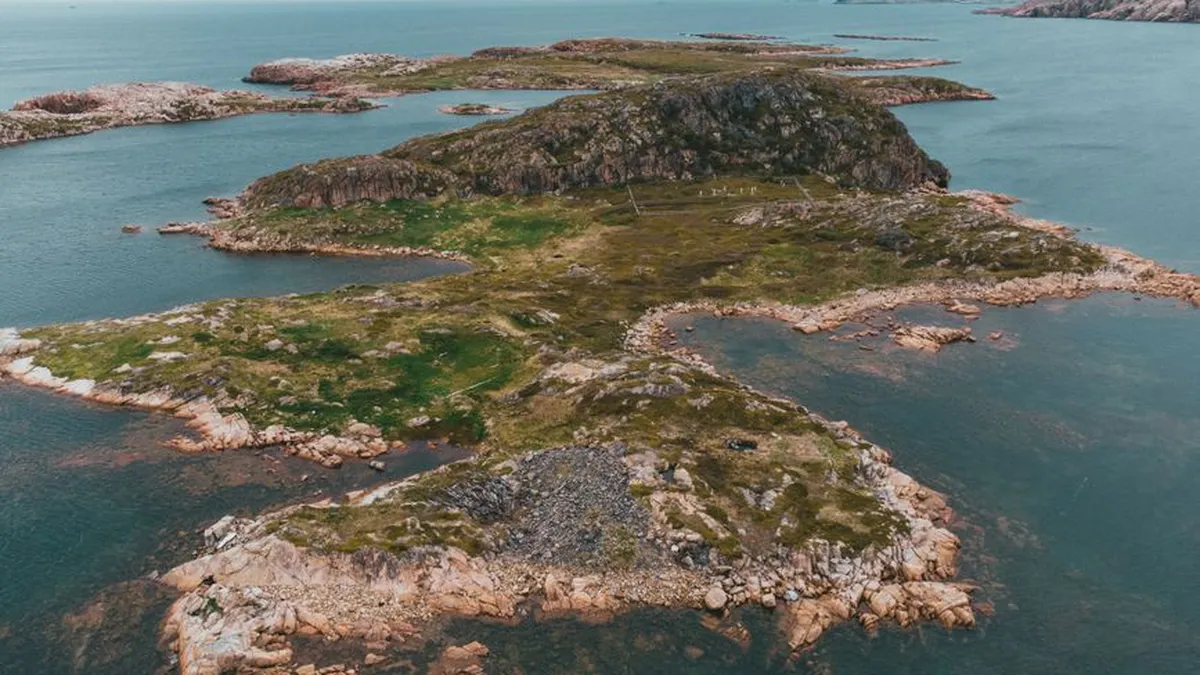
Kharg island sits roughly 20 miles off Iran's northern Gulf coast. CBS News says it has historically handled 85-95% of the country's crude exports, while Axios says it handles roughly 90%. That is why kharg island matters more than a normal Iran headline. It is not just a symbol. It is the place where Iran oil becomes exportable oil.
AP News calls it a small coral island, but the real story is the machinery around it. AP says if the loading facilities were knocked out, Iran's ability to export oil would collapse almost immediately. That is the market problem. If tankers cannot load, the story stops being geopolitical and becomes physical supply loss.
What crude is pricing now
The market is not pricing a slogan. It is pricing the chance that a credible threat changes how oil moves out of Iran, raises tanker war-risk costs and invites retaliation against Gulf infrastructure. World Oil says Kharg Island is the cornerstone of Iran's oil export system and that any disruption could have significant implications for global oil supplies and energy markets. AP warns that strikes on the terminal could provoke heavier retaliatory attacks on Gulf Arab infrastructure and push oil higher.
That is why kharg island can move crude even if no bomb falls. Oil doesn't need a direct hit to react. It only needs a believable path to tighter flows, higher freight and more caution from shipowners and insurers. If the next update softens the rhetoric, some of the premium can come out quickly. If the physical bottleneck gets touched, the move can stay in place longer.
| Watch item | Why it matters | What would weaken the move |
|---|---|---|
| Kharg loading operations | This is where Iranian crude leaves the system. | Clear evidence that loadings keep moving normally. |
| Tanker movement near the island | Shipping tells you if crews are changing behaviour. | Normal traffic and no sign of rerouting. |
| War-risk insurance | Higher premiums can hit freight and crude pricing fast. | Insurance markets calm down. |
| Gulf retaliation risk | A wider response can pull in other oil infrastructure. | No sign of spillover outside kharg island. |
What traders should watch next
The clean read is to separate the headline from the follow-through. If tankers keep loading and insurers do not reprice, the panic premium can fade. If loading slows, access gets tighter or the Gulf widens into a broader response, the market has a reason to keep paying up for risk.
This is also why kharg island keeps showing up in oil news even when the language shifts. The press is focused on the politics, but the trade is in the flow of crude. The immediate question is whether the threat stays rhetorical or turns into a real bottleneck. That's the difference between a quick headline spike and a more durable crude premium.
If you want a proof-first benchmark before you size anything, AO Trading Live Results shows 2,568 tracked trades, a 67.21% group win rate and 143903.89 total profit across the tracked roster. For a closer look at the stack, read AO Shadow vs ZuluTrade: Profit Share vs Performance Fees Compared, or see Gold Trading Signals Verified Track Record: Why 90% of Providers Can't Show Real P&L if you want the proof standard before you press a trade.
How to handle the risk
The risk here is not missing a perfect entry. The risk is assuming one headline settles the whole oil tape. kharg island can stay live as a price driver even if the story cools, because traders are still watching physical loading, shipping and Gulf security. That means your plan has to handle both outcomes: a fast fade if nothing is hit, and a sharper rerating if the choke point gets squeezed.
That is where execution matters more than opinion. If you are trading around a moving headline, use tools that help you protect the downside and keep the size honest. The point is not to predict every twist. It is to stop one update from turning into a bad decision.
For traders acting on this, AO copy trading is the disciplined route in.
FAQ
Why does kharg island matter more than a normal Iran headline?
Because it is the main crude export terminal. That makes the story about physical supply, not just politics. If loading or shipping is threatened, the effect can show up in Brent and WTI faster than a standard geopolitical headline.
What should traders watch next?
Watch loading operations, tanker traffic, war-risk insurance and any spillover to other Gulf infrastructure. The important question is whether the threat stays rhetorical or turns into a real bottleneck.
Is this automatically a buy-the-breakout setup?
No. A reopening or restraint headline can ease panic, and crude can give back the move quickly if the physical system stays intact. The edge is in tracking the bottleneck, not chasing the first spike.
This is market commentary, not financial advice. Oil, gold, forex and crypto trades can move sharply against you. Start your Shadow trial to manage entries, exits and protection around headline risk: AO Shadow.