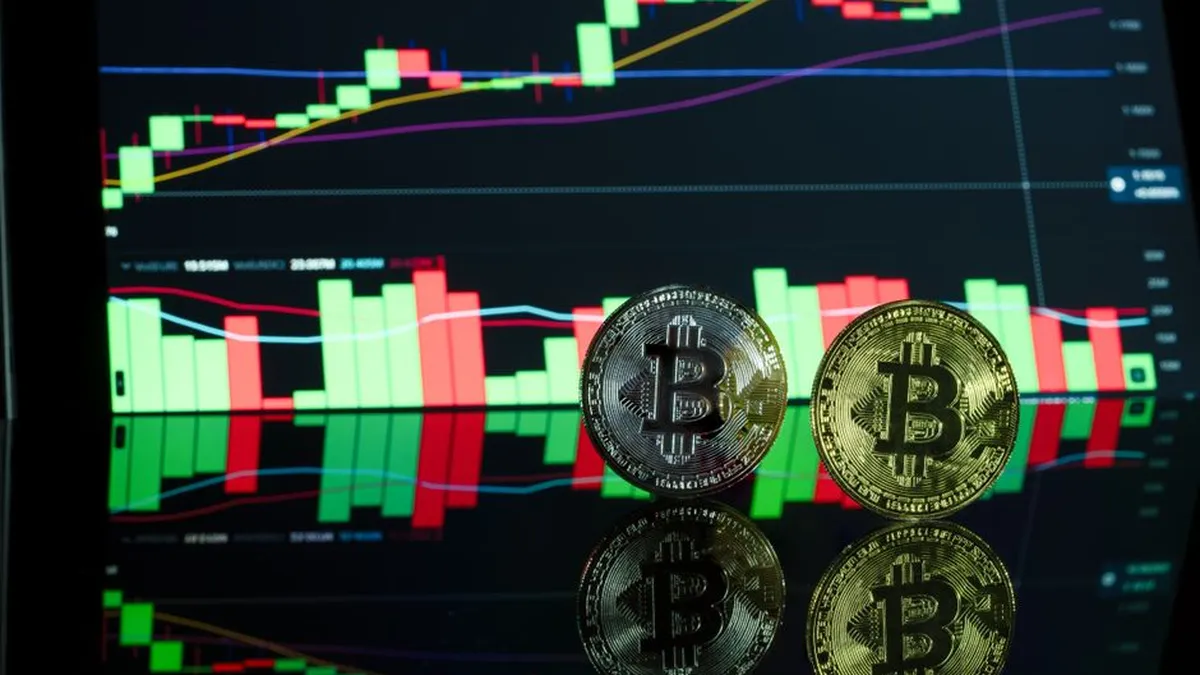

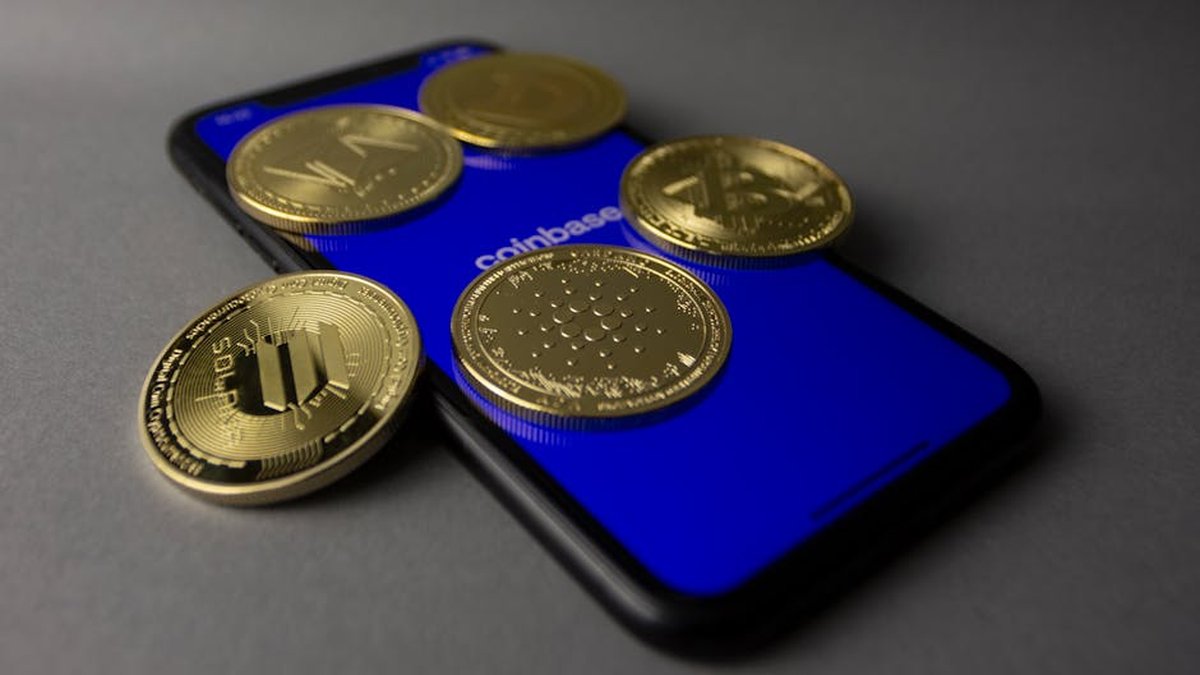
Polkadot just went through the biggest economic restructuring in its five-year history. Between March 12 and 14, the network slashed annual token issuance by 53.6%, dropping from roughly 120 million DOT per year to 56.88 million. A permanent hard cap of 2.1 billion DOT now exists where there wasn't one before. Days earlier, on March 6, 21Shares launched TDOT on Nasdaq, the first US spot Polkadot ETF, seeded with $11 million and carrying a management fee of just 0.09% until October 2026. DOT responded with a 41% price surge from late February through mid-March, breaking above the $1.40 resistance level that had held it down for months. The token currently trades around $1.50 with a $2.52 billion market cap, ranking #40 among cryptocurrencies. But DOT is still down roughly 65% year-to-date. Two massive structural changes landed in the same week. The question is whether they actually fix what's been broken.
I track and trade these setups through AO Shadow — signals auto-copied to Bybit via WebSocket in under 200ms. Free Sentinel tier, no credit card →
What the
Pi Day Halving Does to DOT's Supply Economics
Polkadot's Pi Day halving, enacted March 12-14, replaced DOT's uncapped inflationary model with a Bitcoin-style deflationary schedule. Annual issuance dropped from approximately 120 million to 56.88 million DOT, a 53.6% reduction that directly cuts the number of new tokens hitting the market each day. The network also introduced a permanent hard cap of 2.1 billion DOT tokens, projected to be reached around the year 2160. Under the new model, 13.14% of remaining supply is issued every two years, creating predictable scarcity for the first time in Polkadot's history.
Think of it like a landlord who's been flooding the market with new apartments. Every month, more units. Rents keep dropping because supply never stops growing. Then one day, the landlord announces: half as many new apartments from now on, and there's a hard limit on total units. That's what just happened to DOT.
The upgrade also introduced the Dynamic Allocation Pool, or DAP. This replaces the old treasury burn mechanism and lets validators receive stablecoin compensation instead of newly minted DOT. Fewer tokens minted, fewer tokens dumped. That's the theory.
Here's the catch. A supply cut only matters if demand shows up. DOT's 24-hour spot volume sits at $250 million with $558 million in futures, according to Phemex. Futures volume actually fell 25% recently, and open interest dropped 5% to $203 million. Traders are watching. They're not yet piling in.
The First
US Spot Polkadot ETF Changes Who Can Buy DOT
The 21Shares TDOT ETF launched on Nasdaq on March 6, 2026, giving traditional investors regulated exposure to DOT without touching a crypto wallet. The fund is physically backed, meaning 21Shares actually holds DOT tokens, seeded with $11 million at launch. The standard management fee is 0.30%, waived to 0.09% until October 2026 as an early adopter incentive.
Why does this matter if you're already holding DOT in your own wallet? Because you're not the only buyer that matters anymore.
"The ETF allows investors to gain exposure to the Polkadot blockchain without managing digital wallets or holding the token directly," AInvest reported. Pension funds, wealth managers, retail brokerage accounts. These are pools of capital that couldn't touch DOT before March 6. Now they can buy it the same way they buy shares of Apple.
The $11 million seed is small. But Bitcoin's spot ETFs started modest too. What matters is the pipeline: regulated access creates a demand channel that didn't exist two weeks ago. If Polkadot's ecosystem grows and the tokenomics story gets traction, the ETF is the mechanism through which institutional money arrives.
Key Price
Levels Every DOT Trader Should Watch
DOT broke above its daily 20 EMA and the $1.40 level that had acted as a ceiling. The 7-day gain of 22% pushed the token to a weekly range of $1.24 to $1.74. But the 41% rally from late February needs context: DOT is still trading at roughly $1.50, down 65% on the year and more than 97% below its all-time high near $55.
| Level | Significance | | $1.70 | Immediate resistance. A daily close above here targets $2.00 | | $1.40 | Recent breakout level, now support. Losing this weakens the bullish case | | $1.12 | Lower support if $1.40 fails | | $1.00 | Psychological floor | | $2.00-$2.20 | Next resistance zone above $1.70 |
| $2.40-$2.60 | Extended target if momentum continues |
|---|
"The surge reflects a combination of supply reduction, demand increase, and technical breakout, though analysts caution that rapid price increases can lead to swift retracements," Phemex noted.
If you're holding DOT right now, the $1.40 level is your line in the sand. Hold above it and the structure stays bullish. Lose it, and this rally joins the long list of DOT bounces that went nowhere.
Staking
Gets a Major Overhaul, and That Matters More Than You Think
Starting April 2026, Polkadot's staking unbonding period drops from 28 days to 24-48 hours. If you've ever staked DOT, you know the pain. Market moves fast, your tokens sit locked for a month. That friction pushed capital toward chains with shorter lockups. This change removes one of DOT staking's biggest drawbacks.
The upgrade also eliminates slashing risk for nominators. Previously, if the validator you delegated to misbehaved, your staked DOT could get slashed. Now only validators face that risk, with a minimum self-stake requirement of 10,000 DOT and a minimum 10% commission rate.
What does this mean practically? Staking DOT becomes less risky and far more liquid. You can react to price moves within a day or two instead of watching from the sidelines for four weeks. For traders who use staking yield as a holding incentive, this is a real improvement.
The reduced issuance does affect staking rewards, though. Fewer new DOT minted means the staking yield pool shrinks. The tradeoff: your rewards buy more if the supply cut pushes price higher. Less yield in DOT terms, potentially more in USD terms. That bet only pays off if demand grows alongside the supply reduction.
Tokens with similar structural changes, like Ondo in the RWA space, show that supply-side fixes alone don't guarantee price recovery. Demand has to follow.
Will Polkadot
Reach $10 Again?
At $10, DOT's market cap would sit at roughly $16.8 billion, approximately 6.7x the current $2.52 billion valuation. That's not fantasy territory for a crypto bull cycle. But it requires several things to go right at once.
The tokenomics overhaul is structurally positive. Fewer tokens hitting the market each year. A hard cap that didn't exist before. An ETF opening institutional access. Staking that's actually usable. These are real changes, not just roadmap promises.
But DOT sits at $1.50 after losing 65% this year alone. The Polkadot ecosystem needs to show growth in DeFi total value locked, developer activity, and actual usage of its cross-chain infrastructure. Competitors like Solana and Cosmos haven't been standing still.
$10 is a long-term target that depends on a sustained crypto bull market and meaningful ecosystem adoption. Not a trade. An investment thesis. And investment theses can take years to play out, or they can break entirely. If you want exposure to the structural story without trying to time a 6.7x move, the TDOT ETF's 0.09% fee is worth a look. For active traders watching shorter timeframes across crypto, AO Trading provides signals across the broader digital asset market.
FAQ
Will Polkadot reach $10 again?
At $10, DOT's market cap would be approximately $16.8 billion, or 6.7x its current $2.52 billion valuation. The halving and ETF launch improve DOT's structural outlook, but reaching $10 requires a sustained crypto bull cycle, significant ecosystem growth, and continued institutional inflows. It's a long-term possibility, not a near-term expectation.
What is the
Polkadot Pi Day halving?
Polkadot's Pi Day halving, enacted March 12-14, 2026, cut annual DOT issuance by 53.6% from 120 million to 56.88 million tokens. The upgrade introduced a permanent hard cap of 2.1 billion DOT and a Bitcoin-style deflationary schedule where 13.14% of remaining supply is issued every two years.
How does the
Polkadot ETF work?
21Shares launched TDOT on Nasdaq on March 6, 2026, a physically-backed spot Polkadot ETF seeded with $11 million. The fund holds actual DOT tokens and charges 0.30% annually, waived to 0.09% until October 2026. Investors gain DOT price exposure through a standard brokerage account.
Is DOT staking changing?
Starting April 2026, DOT staking unbonding drops from 28 days to 24-48 hours. Nominators will no longer face slashing risk. Validators must maintain a minimum 10,000 DOT self-stake and charge at least 10% commission. These changes make staking more liquid and less risky for regular holders.
Is Polkadot a good investment right now?
DOT's 53.6% emission cut and first US ETF are structurally positive changes. The token rallied 41% in recent weeks but remains down 65% year-to-date at $1.50. Watch the $1.40 support level. A hold above it keeps the bullish case intact. A break below it suggests the rally has faded.
Want to trade these moves automatically? AO Shadow copies live signals from professional traders directly to your Bybit account via WebSocket — entry, take-profit and stop-loss placed in under 200ms. The Sentinel tier is free forever, no credit card required. Start your free trial →